Brazil:

Hey, I’m Brazil!
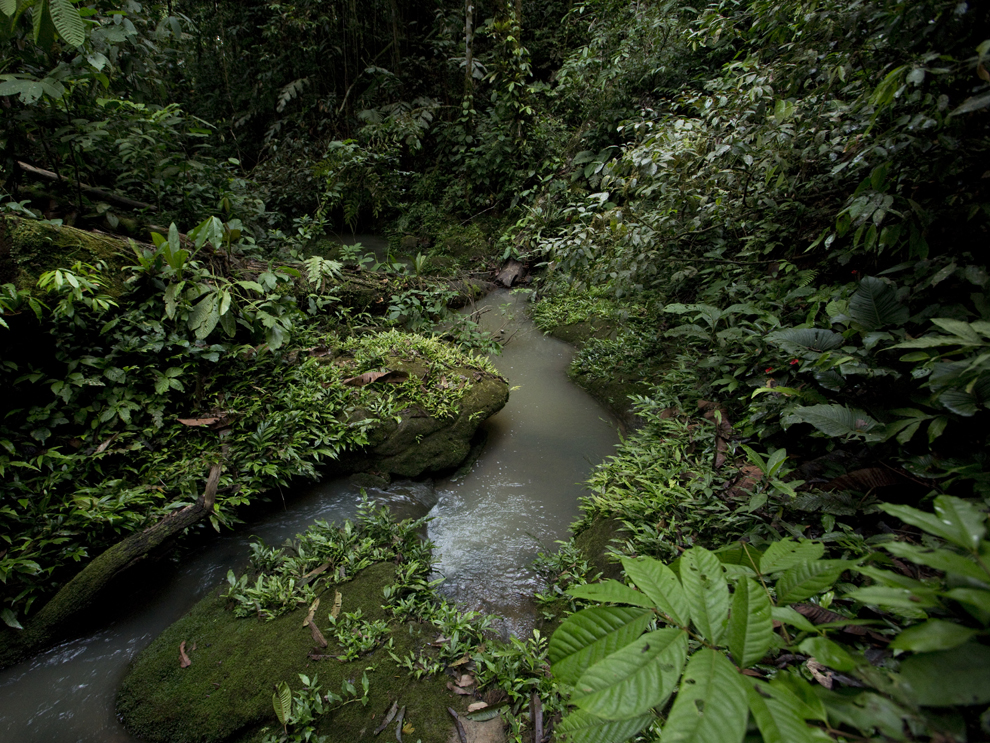
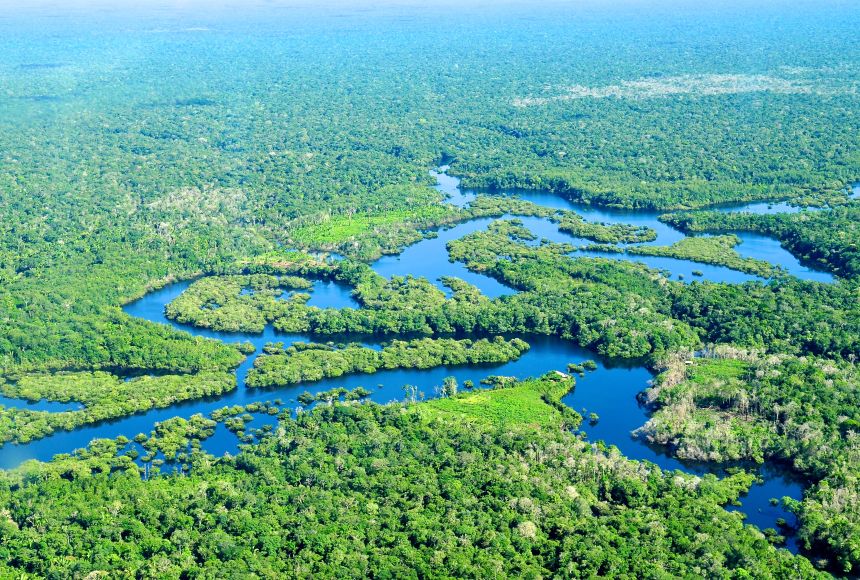
I’m full of life and diversity, especially in my Amazon rainforest, one of my
strongest assets. Let me tell you, back in 2009, in September, my plants
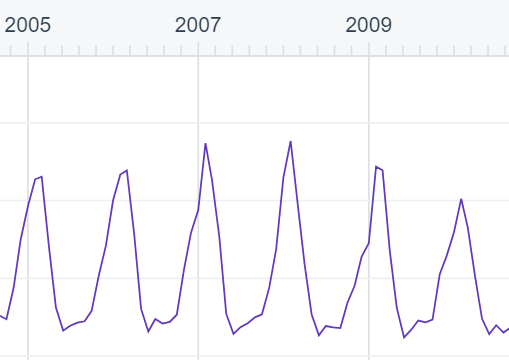
were working hard! My NPP (Net Primary Productivity) reached a high of 4.065 grams,
which means I was absorbing a lot of carbon and keeping my emissions
really low. That’s because I expanded my protected areas in the
Amazon, helping me not only capture more carbon but also preserve biodiversity.
It was a great time for me and had a positive impact on the climate.

Choose time

Mountains
2005 - 2010
Mountains
2011 - 2015
Mountains
2016 - 2020

2005-2010:

Let me take you back to 2005-2010. It was a time when my Amazon was doing wonders for the planet. My NPP stayed strong, especially in September 2009, when it hit its highest point at 4.065 grams. That means my forests were soaking up carbon like crazy, which helped keep my emissions low. A big part of this success was because I expanded my protected areas, like the Tumucumaque Indigenous Territory in 2006. That helped me preserve biodiversity and kept a lot of harmful carbon out of the atmosphere.

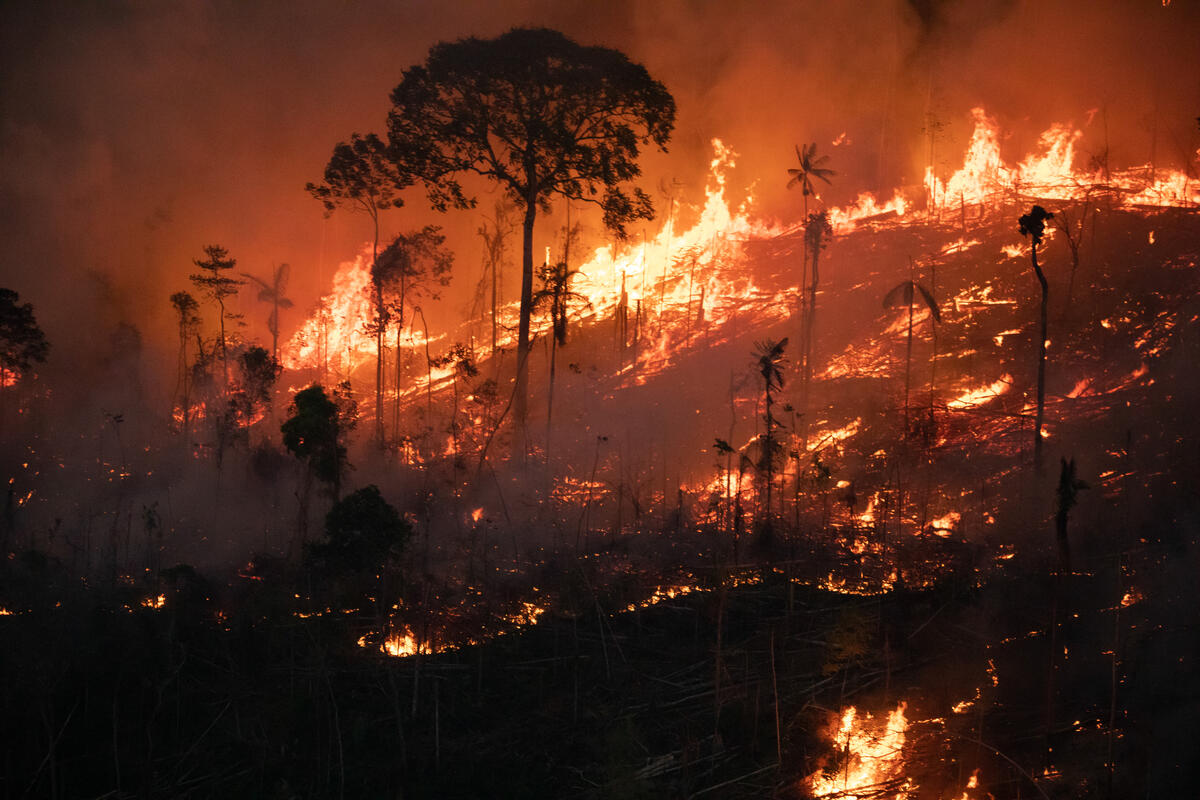
But it wasn’t all easy. My fire emissions peaked during the dry season, especially in September 2007, when they reached 1.307 grams—that was tough to handle. Even so, my wood fuel emissions stayed steady at 0.015, so at least that part was under control. My NBE (Net Biosphere Exchange), which shows how much carbon I absorb, also peaked in September 2007, hitting 1.7. All in all, even though I had challenges, I kept doing my best to protect my forests and the planet.
NPP Egypt 2005 - 2010

NPP Egypt 2005 - 2010

2005-2010:

"Back then, I was making big strides in renewable energy with solar
and wind power. This really helped me lower my emissions.
I have the advantage of advanced technology that countries
in the South don’t rely on as much. But it wasn’t all smooth sailing—I
still relied heavily on coal, which made it hard to meet the Kyoto
Protocol targets. This was a wake-up call for me, and it pushed
me to work harder on cutting down coal use."

Germany 2005 - 2010

2016-2020:

This period presented new challenges and opportunities, emphasizing the need for adaptive management strategies to enhance resilience against environmental changes.

Statistics from our data:

  • NPP
  • NBE
  • Fire emissions
  • Wood fuel
  • 3.897
  • 3
  • 0.525
  • 0.014